
Product Video
1 / 1
27.5kV Composite Polymer Housed Metal Oxide Surge Arrester for Electrified Railway Systems
Factory: We are a professional manufacturer providing OEM custom production services.
- Product Overview
- Technical Specifications
- Product Structure
- Applications
- Testing Capability
- Packaging & Customization
Product Overview
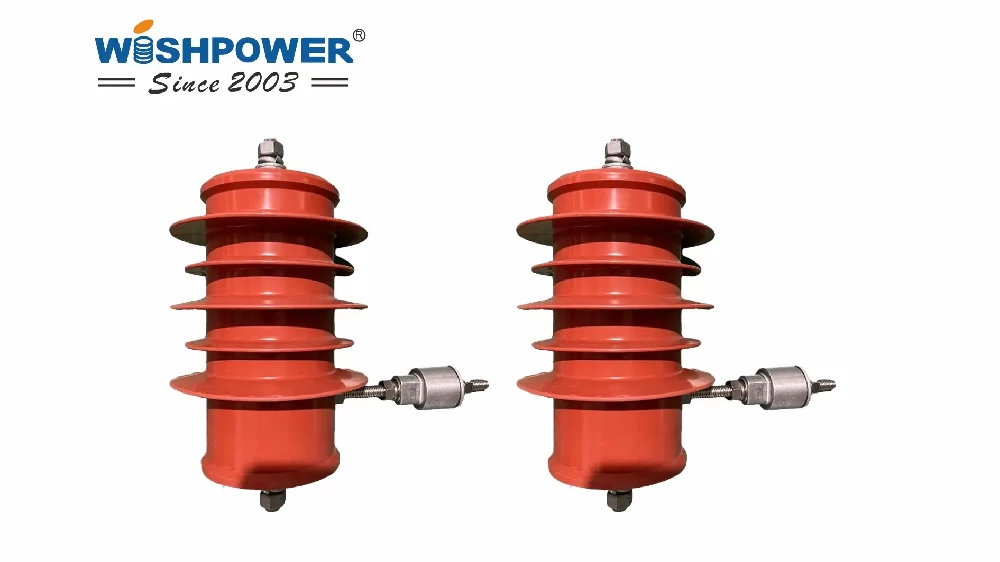
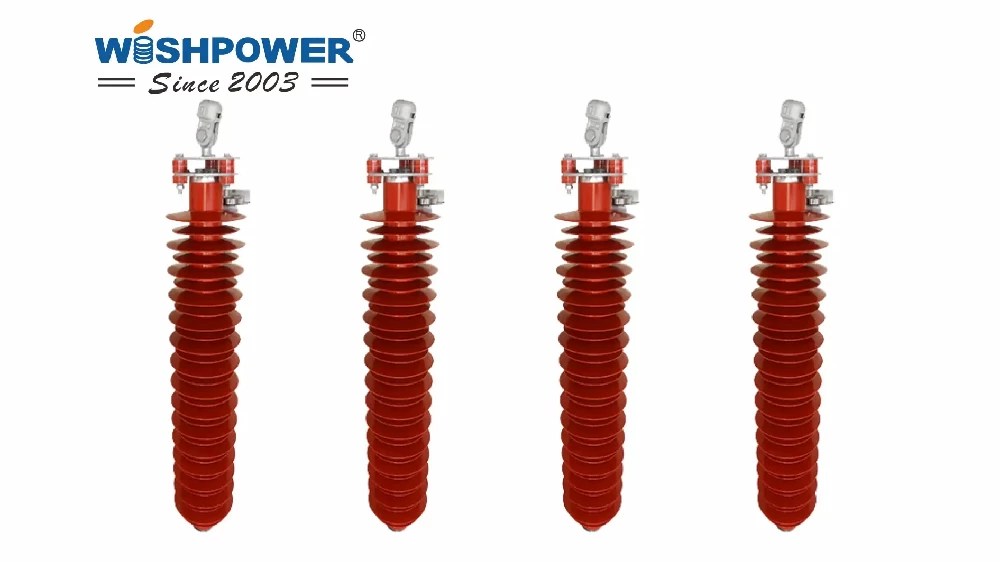
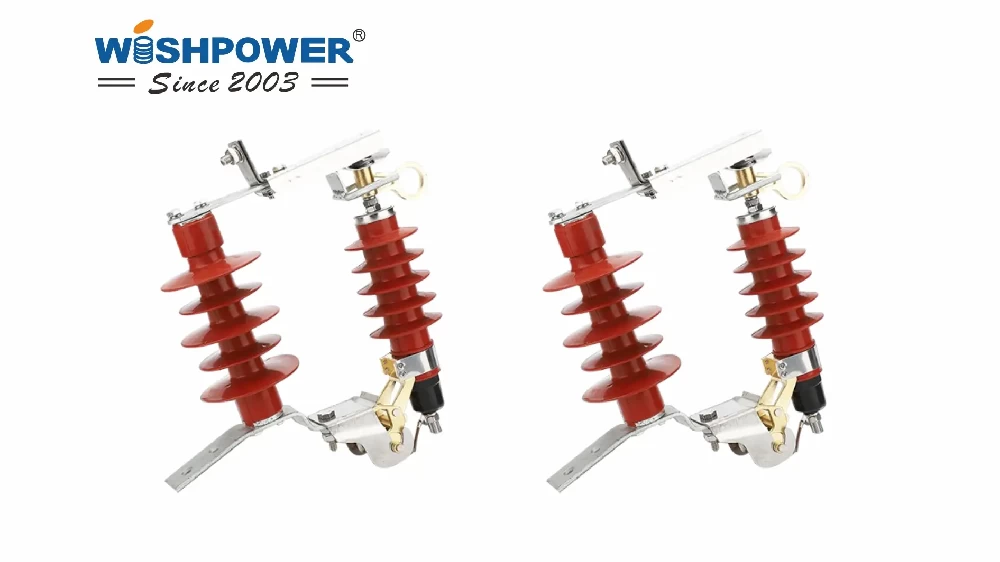
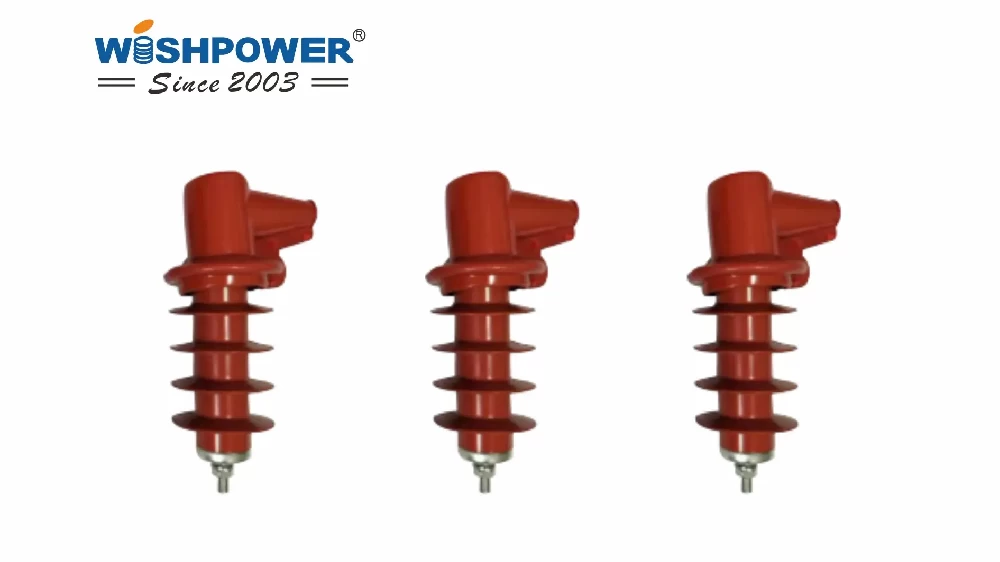
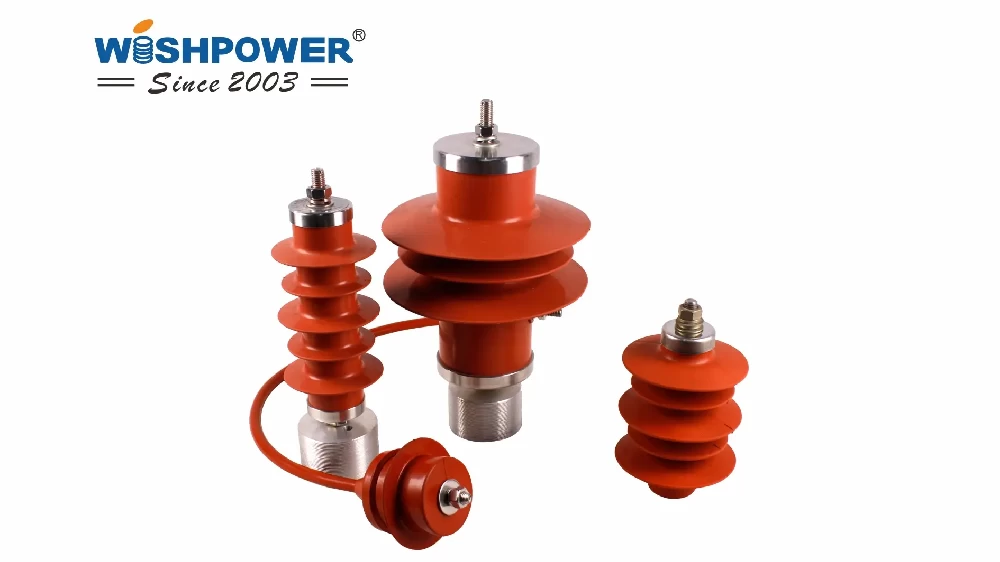
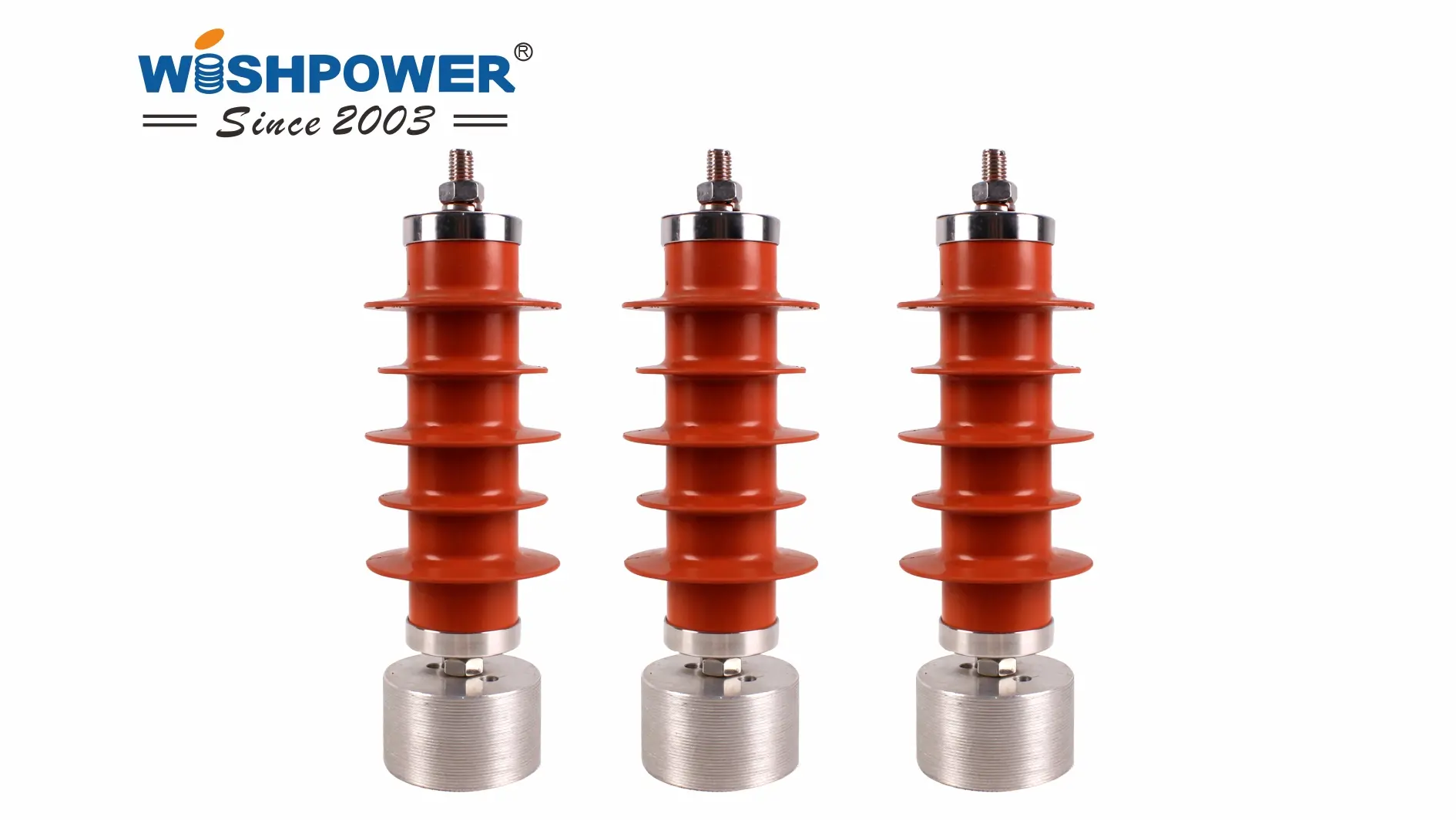
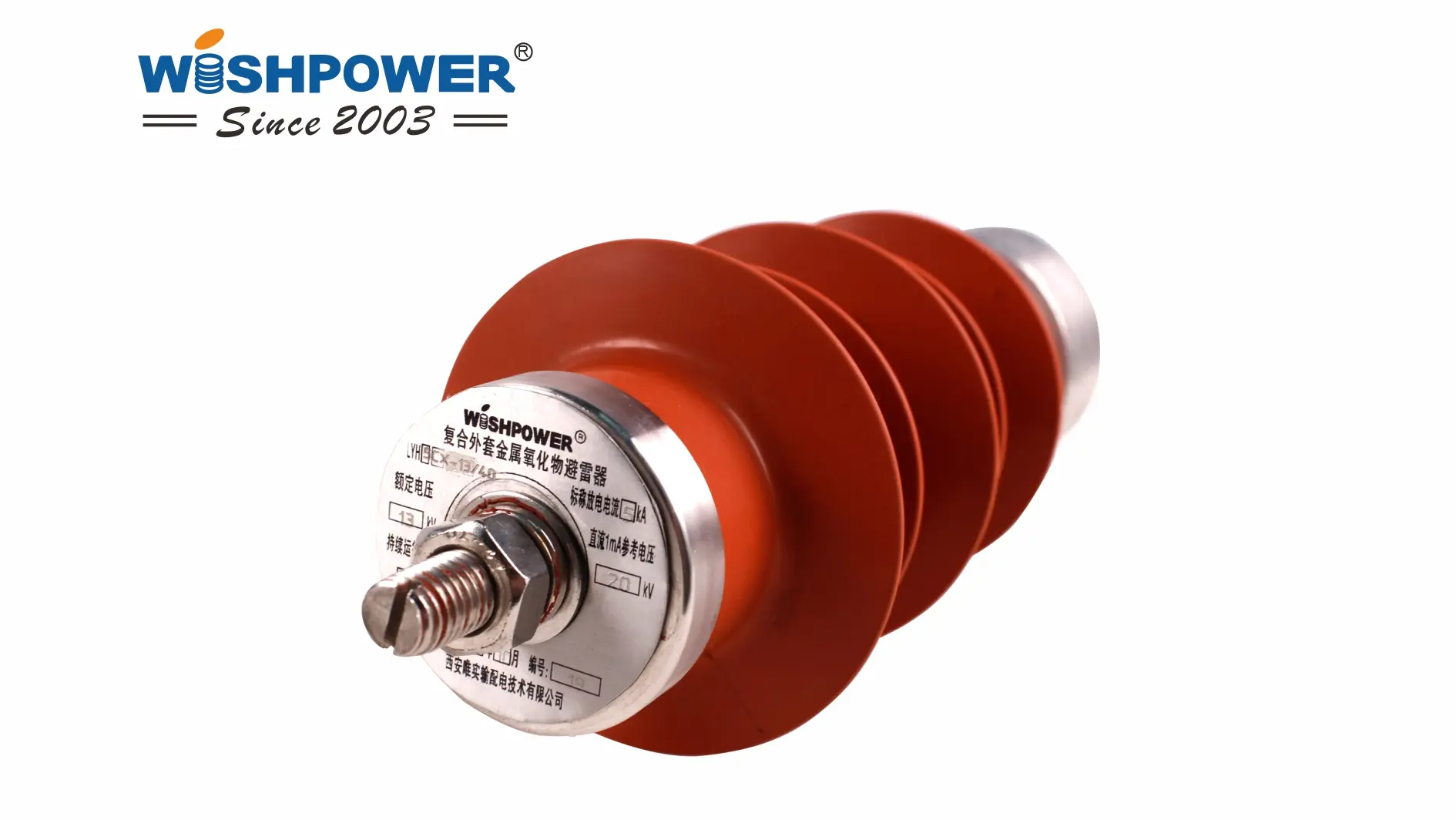
The 27.5kV composite housed metal oxide surge arrester for electrified railway is an essential protection device used in railway traction power systems. It is designed to limit lightning overvoltage, switching overvoltage and abnormal transient voltage that may affect overhead contact lines, traction substations and power supply equipment. Wishpower composite housed metal oxide surge arresters combine high-performance zinc oxide varistors with a silicone rubber housing, offering fast response, stable insulation, strong pollution resistance and low maintenance requirements for long-term outdoor railway operation.
Wishpower 27.5kV composite housed metal oxide surge arrester is specially designed for electrified railway traction power systems. It is suitable for overhead contact systems, traction substations, section posts, switching stations and power supply equipment along railway lines.
The arrester adopts a gapless metal oxide varistor structure. Under normal operating voltage, it remains in a high-resistance state. When lightning impulse or switching overvoltage occurs, the arrester conducts rapidly and discharges surge current to the grounding system, limiting the residual voltage within the insulation withstand level of protected equipment.
Main advantages include:
High-quality zinc oxide varistors with excellent nonlinear voltage-current characteristics;
Silicone rubber composite housing with strong hydrophobicity and pollution flashover resistance;
Lightweight structure for easier transportation, installation and maintenance;
Good resistance to aging, ultraviolet radiation, humidity and outdoor environmental stress;
Suitable for frequent operation and harsh railway traction power conditions;
Customizable creepage distance, structure, dimensions and installation accessories.
Key Features
Fast response to lightning and switching surges.
Excellent energy absorption capability.
Reliable overvoltage protection performance.
Superior pollution flashover resistance.
UV-resistant and weather-resistant construction.
Suitable for harsh railway environments.
High seismic and vibration resistance.
Compliant with international and railway standards.
Product Structure
The arrester consists of:
Zinc oxide varistor blocks
Fiberglass reinforced epoxy core
Silicone rubber polymer housing
Galvanized steel or aluminum end fittings
Moisture-proof sealing system
Pressure relief mechanism
The fully sealed structure ensures excellent long-term reliability under outdoor operating conditions.
Technical Specifications
| Parameter | Application Range |
|---|---|
| Rated System Voltage | 27.5kV Railway Power System |
| Continuous Operating Voltage | Railway Traction Networks |
| Nominal Discharge Current | Lightning Protection |
| High Current Withstand Capacity | Traction Substations |
| Housing Material | Silicone Rubber |
| Core Material | Zinc Oxide Varistor Blocks |
| Installation Type | Outdoor Installation |
| Operating Environment | High Pollution & High Humidity Areas |
Product Structure
Main Applications
Suitable for:
Electrified Railways
High-Speed Rail Networks
Urban Rail Transit Systems
Railway Traction Substations
Overhead Contact Line Systems
Traction Transformers
Railway Distribution Networks
Railway Signaling Power Systems
Testing Capability
Packaging & Transportation
To keep products safe during transportation and storage, we use the following packaging methods:
- Individual Packaging: Each product is wrapped with protective film, packed in a high-strength carton, and cushioned with buffer materials.
- Pallet Packaging: Multiple products are fixed on wooden pallets and wrapped with stretch film, suitable for container shipping.
- Export Packaging: Fumigated wooden cases, moisture-proof treatment, and detailed packing lists are provided according to sea freight requirements.
Customization Service
WishPower can provide the following customization options according to customer requirements:
- Structural Dimensions: Adjust overall height, creepage distance, shed quantity, and shed diameter.
- End Fittings: Customize ball-socket, tongue-clevis, eye, or other interface types according to connection requirements.
- Color: Standard gray, with red, yellow, blue, and other colors available subject to MOQ.
- Special Environments: Formulations for extreme cold (-60 C), strong UV exposure, heavy pollution, and other harsh conditions.
- Voltage Classes: Full-range customization from 10kV to 1000kV.
- Marking: Customer logos or model numbers can be molded or printed on the product.
For specific customization requirements, please contact our sales engineers. We will provide a technical solution within 24 hours.
FAQ
Q: Why would you use a dry transformer?
A: Benefits of Dry-Type TransformersDry-type transformers are widely used in commercial, industrial, public, and renewable energy applications because they are safe, efficient, environmentally friendly, and cost-effective. Unlike oil-filled transformers, dry-type transformers do not use insulating oil or other liquid cooling media, which helps reduce risks such as oil leakage, fire hazards, and environmental contamination.What Are Dry-Type Transformers?A dry-type transformer is a transformer that uses air or solid insulation materials instead of liquid oil for cooling and insulation. Because it does not contain flammable insulating fluid, it is especially suitable for indoor installations, public buildings, and areas with strict safety and environmental requirements.Benefits of Dry-Type Transformers1. Improved Safety and Environmental ProtectionOne of the main advantages of dry-type transformers is safety. Since they do not use oil or other flammable insulating liquids, the risk of oil leakage, spillage, and fire is greatly reduced.This makes dry-type transformers suitable for places with high fire-safety requirements, such as schools, hospitals, shopping centers, office buildings, data centers, and other public facilities.Dry-type transformers are also more environmentally friendly because they eliminate the risk of oil contamination caused by leakage. This helps reduce environmental impact and makes them a practical choice for modern power distribution systems.2. Low Maintenance and Operating CostsDry-type transformers require less maintenance than traditional oil-filled transformers. Since there is no insulating oil, there is no need for regular oil testing, oil replacement, oil filtration, or leakage repair.This reduces maintenance workload and helps lower the total operating cost over the transformer’s service life. For projects that require long-term stable operation with minimal maintenance, dry-type transformers offer a cost-effective solution.3. Suitable for Indoor InstallationDry-type transformers are ideal for indoor applications where space, safety, and ventilation are important considerations.Because they do not contain oil, they can be installed in enclosed or semi-enclosed areas without the same level of fire protection, oil containment, or leakage prevention measures required for oil-filled transformers.This makes them suitable for basements, high-rise buildings, commercial complexes, factories, hospitals, schools, railway stations, airports, and subway systems.4. Reliable Performance in Harsh ConditionsAlthough dry-type transformers are commonly used indoors, they can also perform reliably in demanding environments when properly designed.They are built with high-quality insulation materials and strong electrical-grade components, allowing them to operate under conditions involving temperature variation, humidity, dust, and industrial pollution.Because of this, dry-type transformers are often used in industrial plants, mining facilities, manufacturing workshops, renewable energy plants, and other environments where equipment may face harsh operating conditions.5. Lower Noise LevelsNoise control is important in residential, commercial, and public environments. Dry-type transformers usually produce lower noise levels compared with many liquid-filled transformers, making them more suitable for noise-sensitive locations.They are commonly used in offices, schools, hospitals, apartment buildings, hotels, and commercial facilities where stable power distribution is required without excessive operating noise.6. Efficient Power DistributionEfficiency is an important factor when selecting transformers, especially for projects focused on energy saving and long-term operating cost reduction.Dry-type transformers provide reliable power distribution with low energy losses. Their design supports stable voltage regulation and reliable current transmission under different load conditions.This helps improve energy efficiency, reduce operating costs, and support stable power supply in commercial, industrial, and public power systems.Common Applications of Dry-Type TransformersCommercial buildings and office buildingsIndustrial plants and manufacturing facilitiesSchools, colleges, universities, and healthcare facilitiesRenewable energy plants, including solar and wind power projectsInfrastructure projects such as railways, airports, subway systems, and public transportation facilitiesResidential buildings, hotels, shopping malls, and data centersWhy Use a Dry-Type Transformer?Dry-type transformers are used because they provide a safer, cleaner, and lower-maintenance power distribution solution. They are especially valuable in locations where fire safety, environmental protection, indoor installation, low noise, and reduced maintenance are important.Compared with oil-filled transformers, dry-type transformers reduce the risks of oil leakage and fire, simplify maintenance, and support efficient power distribution in many different environments.endDry-type transformers offer significant advantages in safety, environmental protection, maintenance, installation flexibility, noise control, and operating efficiency. They are widely used in commercial, industrial, residential, public, and renewable energy applications.For projects that require reliable power distribution with lower fire risk, reduced maintenance, and better environmental performance, dry-type transformers are an effective and practical solution.
Q: What Is a Polymer Insulator? Structure, Benefits and Applications
A: What Is a Polymer Insulator?A polymer insulator is an electrical insulator widely used in high-voltage power transmission and distribution systems. Compared with traditional porcelain or glass insulators, polymer insulators are lighter, easier to install, and more resistant to pollution and harsh environmental conditions.In modern power systems, polymer insulators are commonly used on transmission lines, distribution networks, substations, and railway electrification systems. Their reliable electrical performance, strong mechanical strength, and low maintenance requirements make them an important insulation solution for modern power infrastructure.Structure and Composition of Polymer InsulatorsA polymer insulator is usually composed of three main parts: an FRP core, a polymer housing, and metal end fittings.1. FRP CoreThe FRP core, also known as the fiberglass reinforced plastic core, is the main load-bearing part of the polymer insulator. It provides the mechanical strength required to withstand tensile forces, conductor loads, wind loads, and other mechanical stresses in power lines.The FRP core is lightweight but strong, allowing the insulator to support conductors without bending, breaking, or losing mechanical stability under normal operating conditions.2. Polymer HousingThe outer housing of a polymer insulator is usually made of silicone rubber, EPDM, or other polymer materials. This housing protects the FRP core from moisture, ultraviolet radiation, dust, pollution, salt fog, and other environmental factors.Silicone rubber housing is especially valued for its hydrophobic surface. This water-repellent property helps prevent the formation of continuous conductive water films on the insulator surface, reducing leakage current and lowering the risk of flashover in wet or polluted environments.3. Metal End FittingsMetal end fittings are installed at both ends of the FRP core. They are usually crimped or bonded to the core to provide a secure mechanical connection between the insulator and the power line, tower, substation equipment, or other electrical structures.The quality of the end fittings and the sealing design are important for long-term reliability, especially in high-voltage and outdoor applications.Advantages of Polymer Insulators1. Lightweight DesignOne of the main advantages of polymer insulators is their lightweight structure. Compared with porcelain or glass insulators, polymer insulators are much lighter, which makes transportation, handling, and installation easier.This is especially useful for remote areas, mountainous regions, long-distance transmission lines, and projects where installation efficiency is important.2. Strong Pollution ResistancePolymer insulators perform well in polluted environments such as industrial areas, coastal regions, deserts, and high-humidity zones.Traditional porcelain and glass insulators may accumulate dirt, salt, dust, and industrial pollutants on the surface, increasing the risk of flashover. Polymer insulators, especially silicone rubber types, have hydrophobic properties that help repel water and reduce pollution-related electrical problems.3. Good Durability in Harsh EnvironmentsPolymer insulators are designed to resist ultraviolet radiation, ozone, moisture, chemicals, temperature changes, and environmental pollution.This makes them suitable for different climate conditions and outdoor applications. Their resistance to environmental degradation helps extend service life and reduce maintenance frequency.4. Reliable Performance in High-Voltage ApplicationsBecause of their strong mechanical structure and excellent electrical insulation performance, polymer insulators are suitable for high-voltage transmission lines, substations, and distribution systems.They help maintain electrical clearance, support conductors, and reduce the risk of power system faults caused by insulation failure.5. Reduced Risk of BreakageUnlike porcelain or glass insulators, polymer insulators are less likely to shatter under mechanical impact. This reduces the risk of broken fragments, improves safety during transportation and installation, and lowers replacement costs caused by accidental damage.Applications of Polymer Insulators1. High-Voltage Transmission LinesPolymer insulators are widely used in high-voltage transmission lines to provide insulation between conductors and transmission towers.Their lightweight design and strong environmental resistance make them suitable for long-distance power transmission, especially in areas with high pollution, strong wind, salt fog, or difficult terrain.2. Distribution NetworksIn urban and rural distribution networks, polymer insulators are used to support and insulate overhead conductors on poles and towers.They are suitable for areas where easy installation, low maintenance, and reliable pollution performance are required.3. SubstationsPolymer insulators are used in substations to insulate high-voltage equipment such as transformers, circuit breakers, busbars, disconnectors, and other electrical components.Their compact structure and reliable electrical performance make them suitable for modern substations with limited installation space and high reliability requirements.4. Railway Electrification SystemsIn railway electrification systems, polymer insulators are used to insulate overhead contact lines and supporting structures.Because railway systems are exposed to outdoor weather, vibration, pollution, and temperature changes, polymer insulators provide a durable and reliable insulation solution.Why Are Polymer Insulators Important in Modern Power Systems?Polymer insulators represent an important development in electrical insulation technology. Compared with traditional porcelain and glass insulators, they offer advantages in weight, installation efficiency, pollution resistance, environmental durability, and safety.As power systems continue to require higher reliability, lower maintenance costs, and better performance in harsh environments, polymer insulators are becoming more widely used in transmission, distribution, substation, and railway applications.A polymer insulator is a modern electrical insulation product made with an FRP core, polymer housing, and metal end fittings. It provides mechanical support and electrical insulation for power transmission and distribution systems.With advantages such as lightweight design, strong pollution resistance, good environmental durability, reliable high-voltage performance, and reduced breakage risk, polymer insulators are widely used in modern power infrastructure.For transmission lines, substations, distribution networks, and railway electrification systems, polymer insulators offer a practical and cost-effective solution for improving power system reliability and long-term performance.
Q: What is the composite insulator?
A: High-voltage composite insulators are increasingly used in transmission lines and substations, improving the performance, reliability, and safety of modern power infrastructure. Compared with traditional porcelain or glass insulators, composite insulators offer advantages such as lighter weight, higher pollution resistance, easier installation, and better performance in harsh environments.What Are Composite Insulators?Composite insulators, also known as polymer insulators, are electrical insulators made from a combination of materials. They usually consist of a fiberglass reinforced core, a polymer housing made of silicone rubber or EPDM, and metal end fittings.The fiberglass rod is the main load-bearing component of the composite insulator. It provides high mechanical strength and tensile resistance. The outer polymer housing provides electrical insulation and protects the internal core from environmental factors such as moisture, ultraviolet radiation, pollution, and chemical contamination. The metal end fittings are connected to the fiberglass core and provide the mechanical interface between the insulator, conductor, and tower structure.Composite insulators are different from porcelain and glass insulators because they are lighter, more flexible, and more suitable for harsh operating conditions and high-voltage applications.Evolution of Composite InsulatorsComposite insulators are relatively new compared with traditional porcelain and glass insulators. Their development began in the middle of the 20th century as power systems required lighter, safer, and more pollution-resistant insulation solutions.Porcelain insulators have been widely used for many years and have proven durability. However, they are heavy, brittle, and may break under mechanical impact or transportation stress. They are also vulnerable to pollution accumulation on the surface, which can increase the risk of flashover.Glass insulators also have good insulation performance and can show visible signs of damage when broken, but they are still relatively heavy and may face similar contamination problems in polluted or coastal environments.Composite insulators were developed to overcome these limitations. By combining a high-strength fiberglass core with a protective polymer housing, composite insulators provide strong mechanical performance, excellent electrical insulation, lower weight, and better resistance to pollution and weathering.Main Advantages of Composite Insulators1. Lightweight and Easy to HandleComposite insulators are much lighter than porcelain or glass insulators. This makes transportation, handling, installation, and maintenance easier. Their lower weight also reduces the mechanical load on transmission towers, crossarms, and supporting structures, which may help reduce construction and installation costs.2. High Mechanical StrengthThe fiberglass reinforced core of a composite insulator provides excellent tensile strength and mechanical performance. This makes composite insulators suitable for transmission lines and substations that require high mechanical reliability, especially in areas affected by strong wind, ice, snow, vibration, or heavy conductor loads.3. Strong Environmental ResistanceThe polymer housing of composite insulators offers excellent resistance to ultraviolet radiation, moisture, weathering, and chemical contamination. This helps protect the internal fiberglass core and ensures long-term electrical and mechanical performance, even in harsh environments such as coastal regions, industrial areas, deserts, and polluted zones.4. Hydrophobic SurfaceSilicone rubber composite insulators have excellent hydrophobic properties, meaning their surface repels water. This helps reduce the formation of continuous conductive water films on the insulator surface, lowering the risk of leakage current and flashover.The hydrophobic surface also supports a self-cleaning effect. Water droplets can roll off the surface and carry away dust, salt, and other contaminants, helping the insulator maintain stable electrical performance in wet or polluted environments.5. Improved SafetyComposite insulators are less brittle than porcelain or glass insulators. They do not shatter easily, which reduces the risk of falling fragments and improves safety during installation, operation, and maintenance.In addition, the polymer materials used in composite insulators provide good resistance to tracking and erosion, helping improve operational safety in high-voltage applications.Applications of Composite InsulatorsComposite insulators are widely used in high-voltage transmission lines, distribution systems, substations, railway electrification systems, and power equipment. They are especially suitable for areas with heavy pollution, high humidity, salt fog, strong wind, large temperature differences, or limited installation space.Because of their lightweight structure and reliable performance, composite insulators are also commonly used in upgrading and replacing older porcelain or glass insulators in existing power networks.Composite insulators represent an important development in electrical insulation technology. With advantages such as lightweight design, high mechanical strength, strong environmental resistance, hydrophobic surface performance, and improved safety, they have become a preferred solution for many modern power transmission and distribution systems.As power grids continue to develop toward higher voltage levels, greater reliability, and cleaner energy transmission, composite insulators will play an increasingly important role in the future of power infrastructure.
Q: Is surge arrester same as lightning arrester?
A: Surge Arrester vs. Lightning Arrester: What Is the Difference?The terms surge arrester and lightning arrester are often used interchangeably in electrical systems, which can cause confusion. Although both devices are used to protect electrical equipment from overvoltage, they differ in function, design, application, and protection range.What Is a Surge Arrester?A surge arrester is a protective device used to protect electrical systems from excessive voltage surges caused by different sources, such as switching operations, system faults, equipment malfunctions, and lightning-related overvoltage.Surge arresters are commonly installed in high-voltage transmission systems, distribution networks, and substations. They help protect important electrical equipment, including transformers, circuit breakers, switchgear, cables, and other power system components.The main purpose of a surge arrester is to limit transient overvoltage and safely discharge surge energy to the ground, preventing insulation failure and equipment damage.What Is a Lightning Arrester?A lightning arrester is designed mainly to protect electrical systems and structures from the impact of lightning strikes. It is usually installed on transmission towers, buildings, substations, or other exposed structures where lightning risk is high.The main function of a lightning arrester is to provide a safe path for lightning current to flow into the ground. By doing this, it prevents lightning energy from entering power lines, damaging equipment, or endangering the electrical system.Lightning Arrester vs. Surge Arrester1. FunctionThe main difference between a surge arrester and a lightning arrester is their function.Surge arresters are designed to protect against different types of overvoltage surges, including switching surges, temporary faults, equipment failures, and lightning-induced surges.Lightning arresters are mainly designed to handle the extremely high energy caused by direct lightning strikes. Their function is more focused on diverting lightning current safely to the ground.2. DesignSurge arresters usually use metal oxide varistors, also known as MOVs, as the main protective element. MOV technology allows surge arresters to respond quickly to voltage spikes and limit overvoltage within a safe range.Lightning arresters are often simpler in design and may use spark gaps, grounding paths, or similar structures to discharge lightning energy. Their design focuses on safely conducting high lightning current into the ground.3. ApplicationsSurge arresters are widely used in power grids, including high-voltage transmission lines, substations, distribution circuits, transformers, switchgear, and industrial electrical systems. They are suitable for protecting equipment from many kinds of overvoltage events.Lightning arresters are mainly used in areas with high lightning exposure, such as transmission towers, substations, tall buildings, and outdoor electrical structures. They are installed to prevent direct lightning strikes from entering the electrical system.4. Protection RangeSurge arresters provide broader protection against different overvoltage conditions. They can handle smaller and more frequent surges caused by switching operations, system disturbances, and indirect lightning effects.Lightning arresters provide more specific protection against direct lightning strikes. They are designed to deal with extremely high lightning voltage and current, but they may not provide the same level of protection against other types of system overvoltage.Why Is It Important to Differentiate Between Surge Arresters and Lightning Arresters?Understanding the difference between surge arresters and lightning arresters is important because each device is designed for a specific protection purpose.Using the wrong type of arrester may result in insufficient protection and possible equipment damage. For example, using a lightning arrester to protect high-voltage equipment from switching surges may not provide effective protection because the device is not designed for that operating condition.Similarly, relying only on surge arresters in areas with frequent direct lightning strikes may leave the system exposed to severe lightning damage. Each protective device has its own function, and proper selection helps improve the safety and reliability of the power system.Is a Surge Arrester the Same as a Lightning Arrester?A surge arrester and a lightning arrester are not exactly the same. Although both are used for overvoltage protection, their protection focus is different.A surge arrester provides wider protection against various overvoltage surges in power systems, including switching surges, fault-related surges, and lightning-induced surges.A lightning arrester is mainly used to protect against direct lightning strikes by conducting lightning current safely to the ground.ConclusionSurge arresters and lightning arresters both play important roles in electrical protection systems. Surge arresters are used for broad overvoltage protection in transmission lines, substations, distribution systems, and electrical equipment. Lightning arresters are mainly used to protect structures and power systems from direct lightning strikes.Understanding the difference between these two devices helps engineers, operators, and maintenance teams choose the correct protection solution. Proper selection can reduce equipment damage, minimize power outages, improve system safety, and support long-term reliability in power transmission and distribution networks.
Q: What is the difference between porcelain and composite insulators?
A: Porcelain Insulators vs. Composite Insulators: Key Differences in Power SystemsIn power systems, insulators are used to support conductors and prevent electrical leakage. Porcelain insulators and composite insulators are two common types of insulators, but they differ significantly in materials, weight, mechanical performance, electrical performance, maintenance requirements, and application environments.What Is the Difference Between Porcelain and Composite Insulators?1. MaterialsPorcelain insulators are made from ceramic materials such as clay, quartz, and feldspar. These materials are fired at high temperatures to form a dense and rigid ceramic structure. Composite insulators use an FRP rod, also known as a fiber-reinforced polymer core, as the main load-bearing body. The outer sheath is usually made of polymer materials such as silicone rubber or EPDM.2. Weight and HandlingPorcelain insulators are relatively heavy because of the high density of ceramic materials. Their weight can increase transportation difficulty and make installation more labor-intensive. Composite insulators are much lighter than porcelain insulators, making them easier to transport, handle, and install, especially in large-scale transmission line projects.3. Mechanical Strength and DurabilityPorcelain insulators have good mechanical strength and can withstand large loads and electrical stress. However, porcelain is rigid and brittle, which means it may crack or break when subjected to strong impact or improper handling. Composite insulators are strong and more flexible. They are less brittle and can better absorb mechanical stress, vibration, and dynamic loads.4. Electrical PerformancePorcelain insulators provide stable electrical performance under normal operating conditions. However, their surface can accumulate pollution, dust, salt, or industrial contaminants, which may increase the risk of flashover if regular cleaning is not performed. Composite insulators perform better in polluted areas because silicone rubber surfaces have excellent hydrophobic properties. This helps repel water, reduce contamination buildup, maintain insulation performance, and lower the risk of flashover.5. Durability and LifespanPorcelain insulators are highly durable and can last for several decades when properly maintained. They have a long history of use in power transmission and distribution systems. Composite insulators are also strong and reliable, but their service life may vary depending on environmental conditions, material quality, UV exposure, and operating stress. With continuous improvements in polymer materials, the durability and lifespan of composite insulators are continuing to improve.6. Maintenance RequirementsPorcelain insulators usually require regular inspection, cleaning, and maintenance, especially in polluted, coastal, or industrial areas. In some cases, they may need washing or anti-pollution coating to reduce flashover risks. Composite insulators generally require less maintenance because of their hydrophobic and self-cleaning surface properties. This can reduce cleaning frequency, labor costs, and long-term maintenance expenses.7. Cost ConsiderationsPorcelain insulators usually have a lower initial purchase cost compared with composite insulators. However, their long-term operating cost may be higher due to transportation, installation, cleaning, and maintenance requirements. Composite insulators may have a higher initial cost, but they offer advantages such as lighter weight, easier installation, better pollution performance, and lower maintenance needs, which can reduce the total lifecycle cost.8. Application AreasPorcelain insulators are widely used in transmission lines, distribution systems, and substations. They are suitable for many conventional power system applications where mechanical stability and long service history are important. Composite insulators are increasingly used in urban areas, coastal regions, heavily polluted environments, high-voltage transmission lines, and areas where lightweight design and low maintenance are preferred.Both porcelain insulators and composite insulators have their own advantages depending on the application environment. Porcelain insulators are valued for their durability, stable performance, and relatively low initial cost. Composite insulators provide better performance in harsh environments, especially in polluted, coastal, or high-contamination areas, while also offering lighter weight and lower maintenance requirements. When selecting insulators, engineers and utilities should consider environmental conditions, mechanical load requirements, electrical performance, installation difficulty, maintenance cost, and overall lifecycle cost.