 Factory Video
Product Video
1 / 1
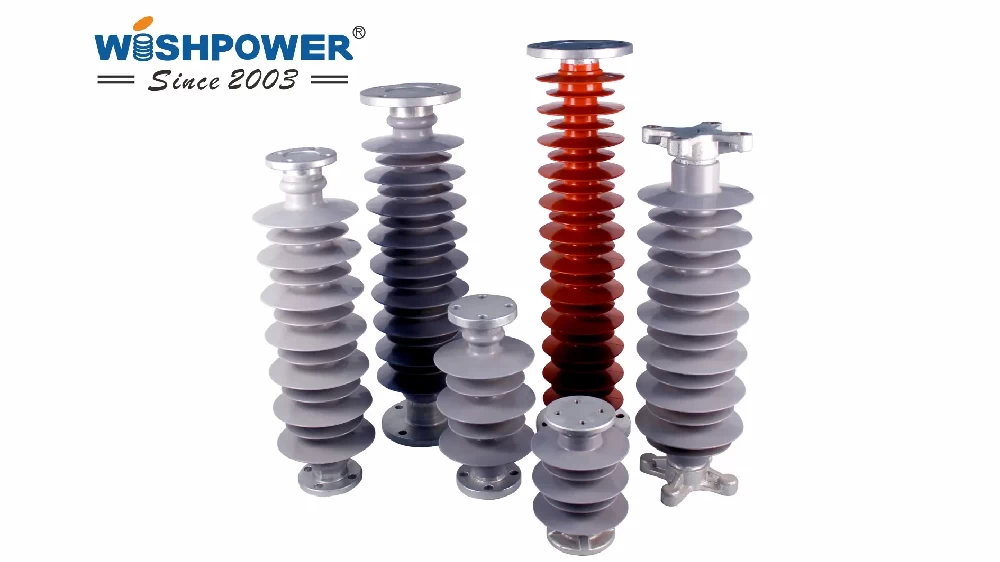
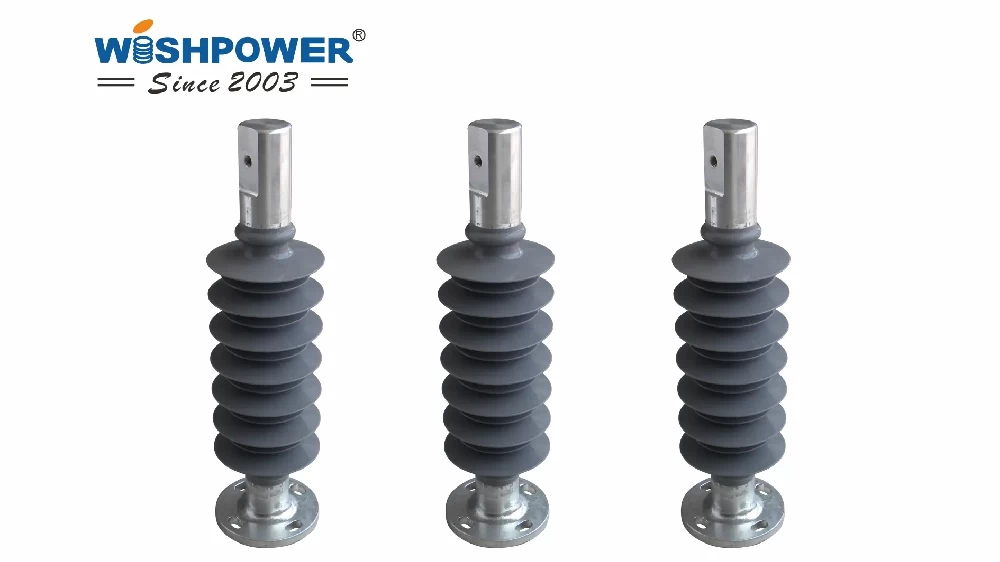
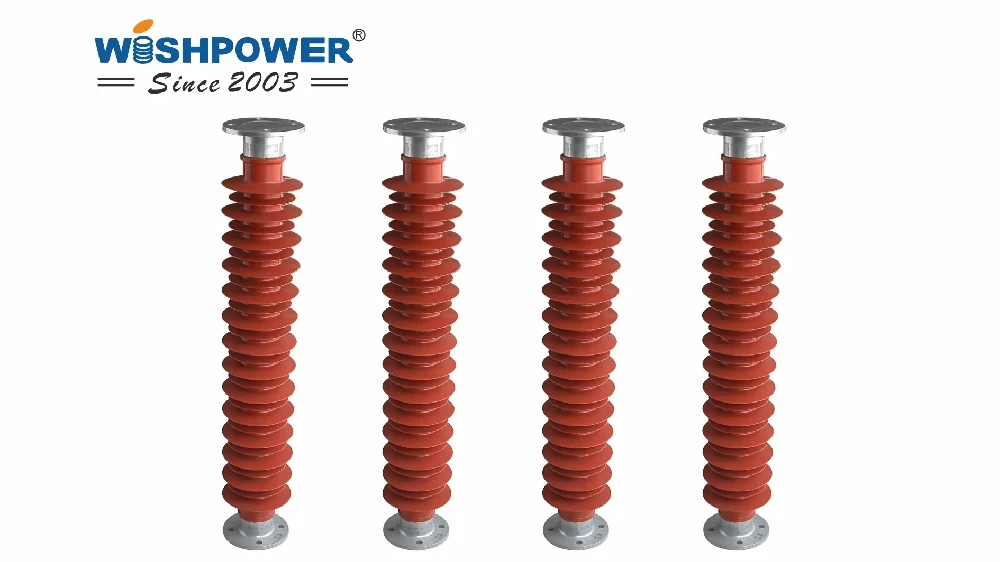
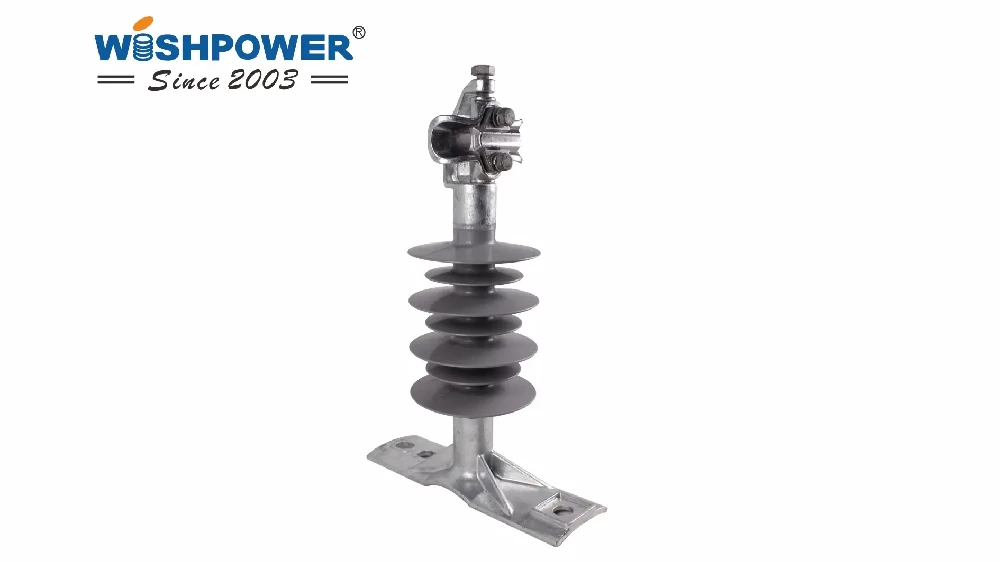
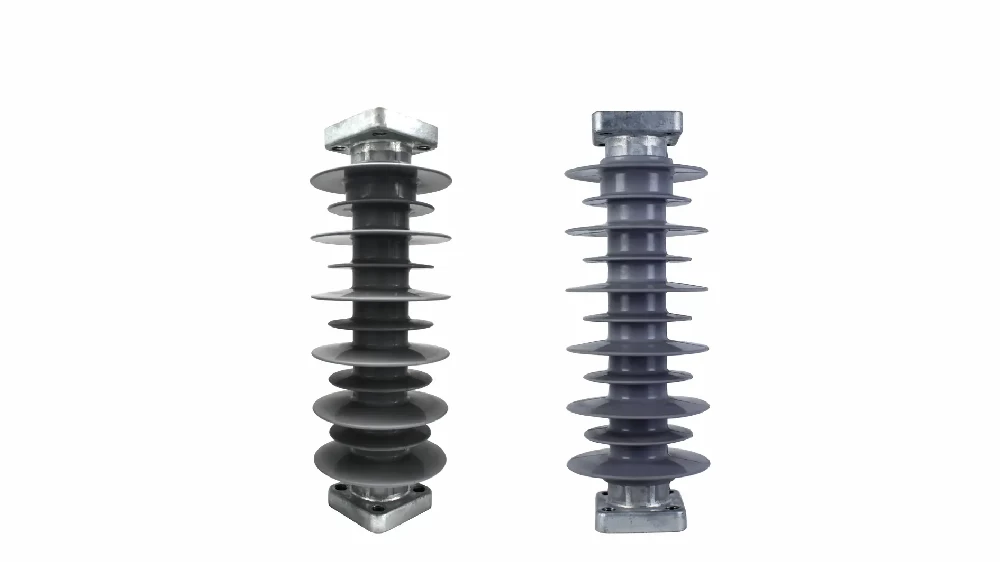
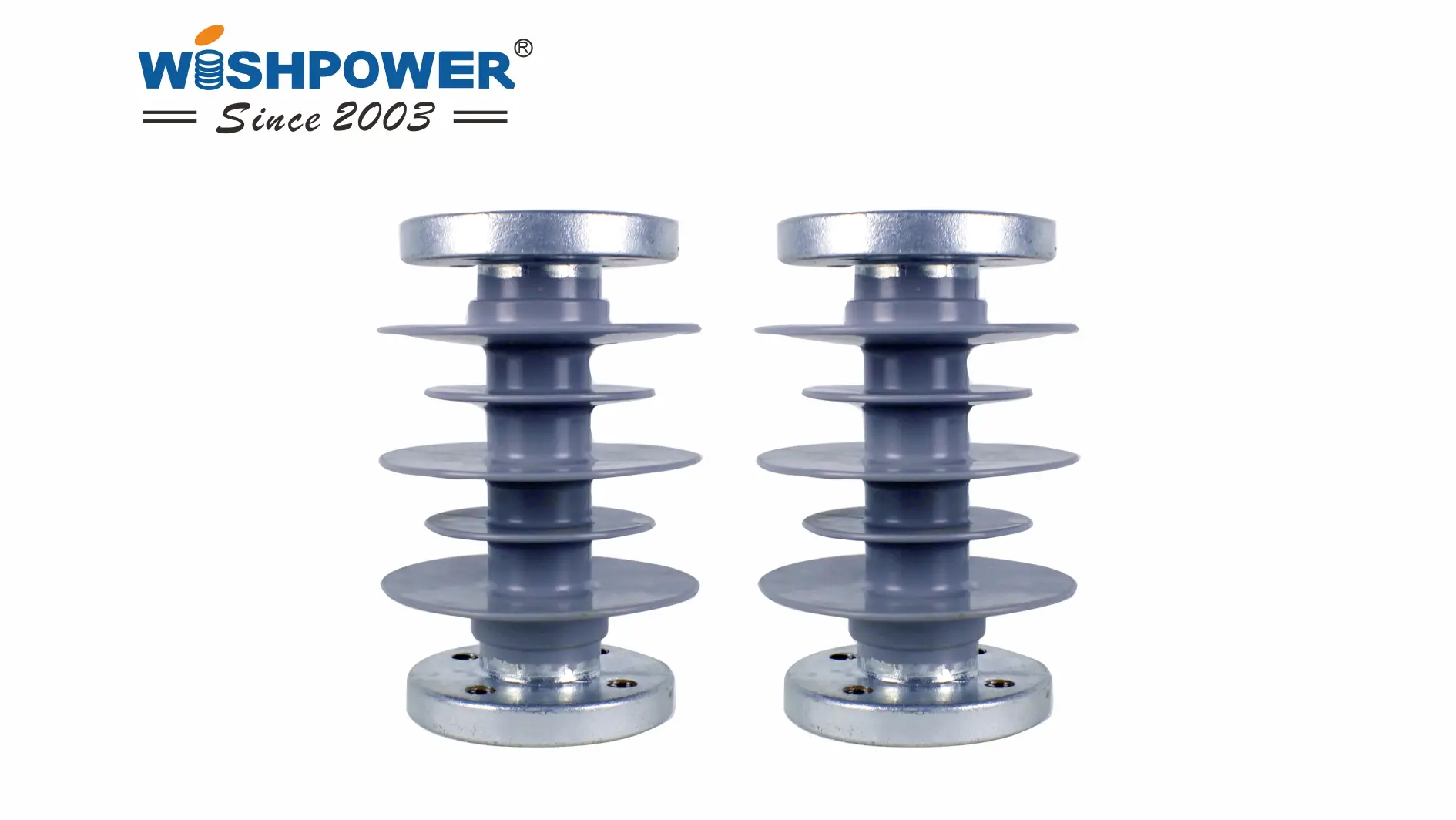
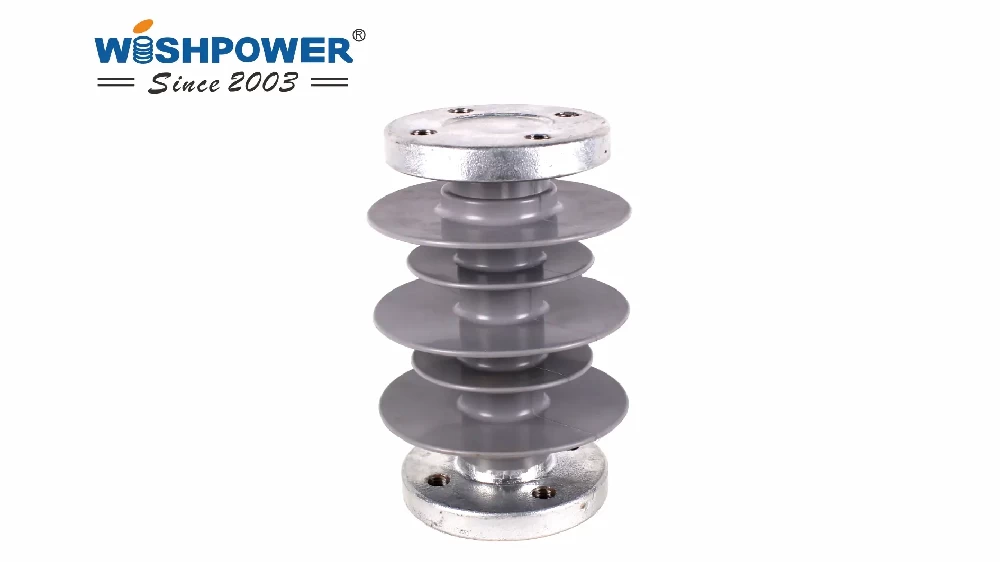
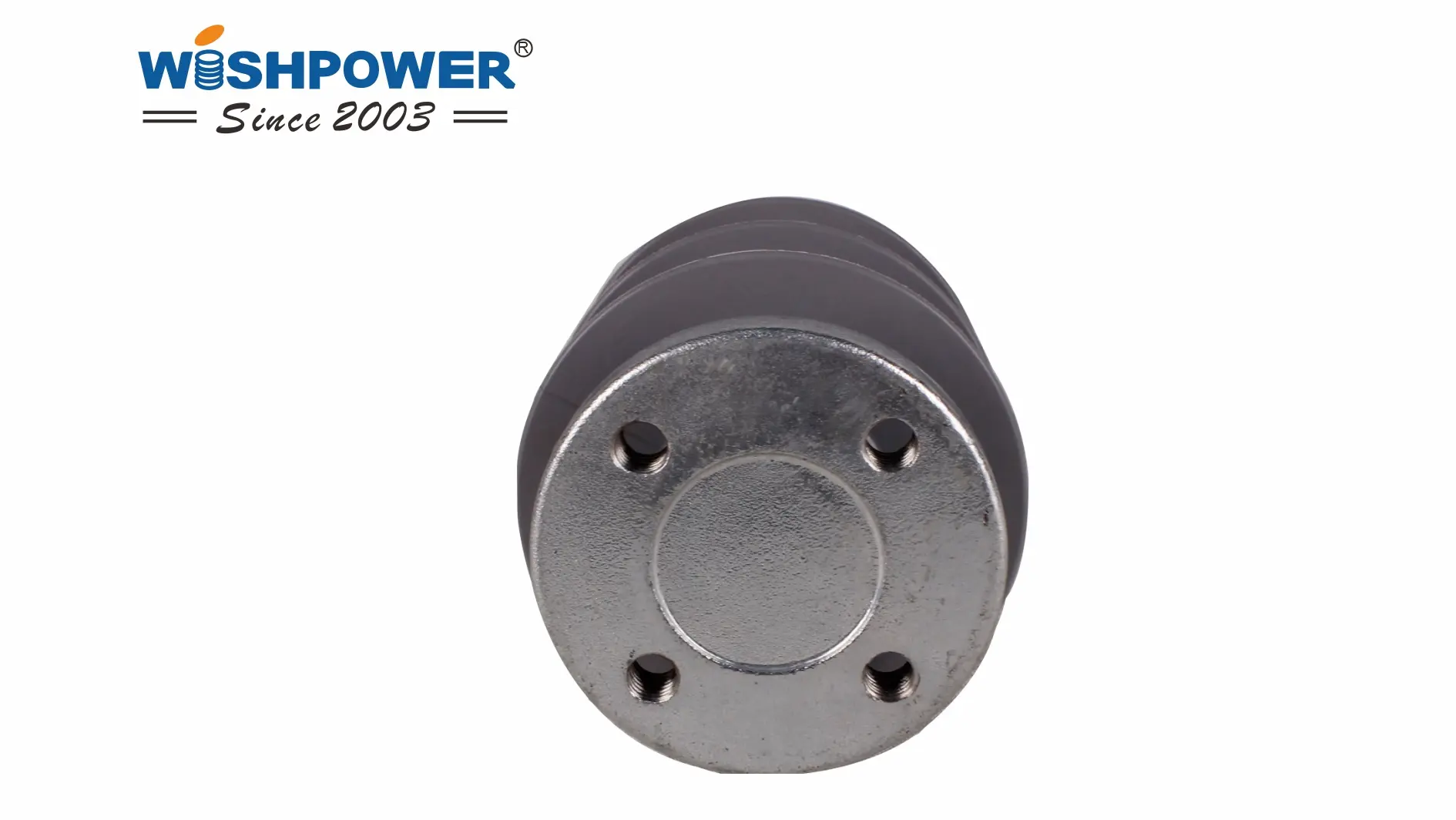
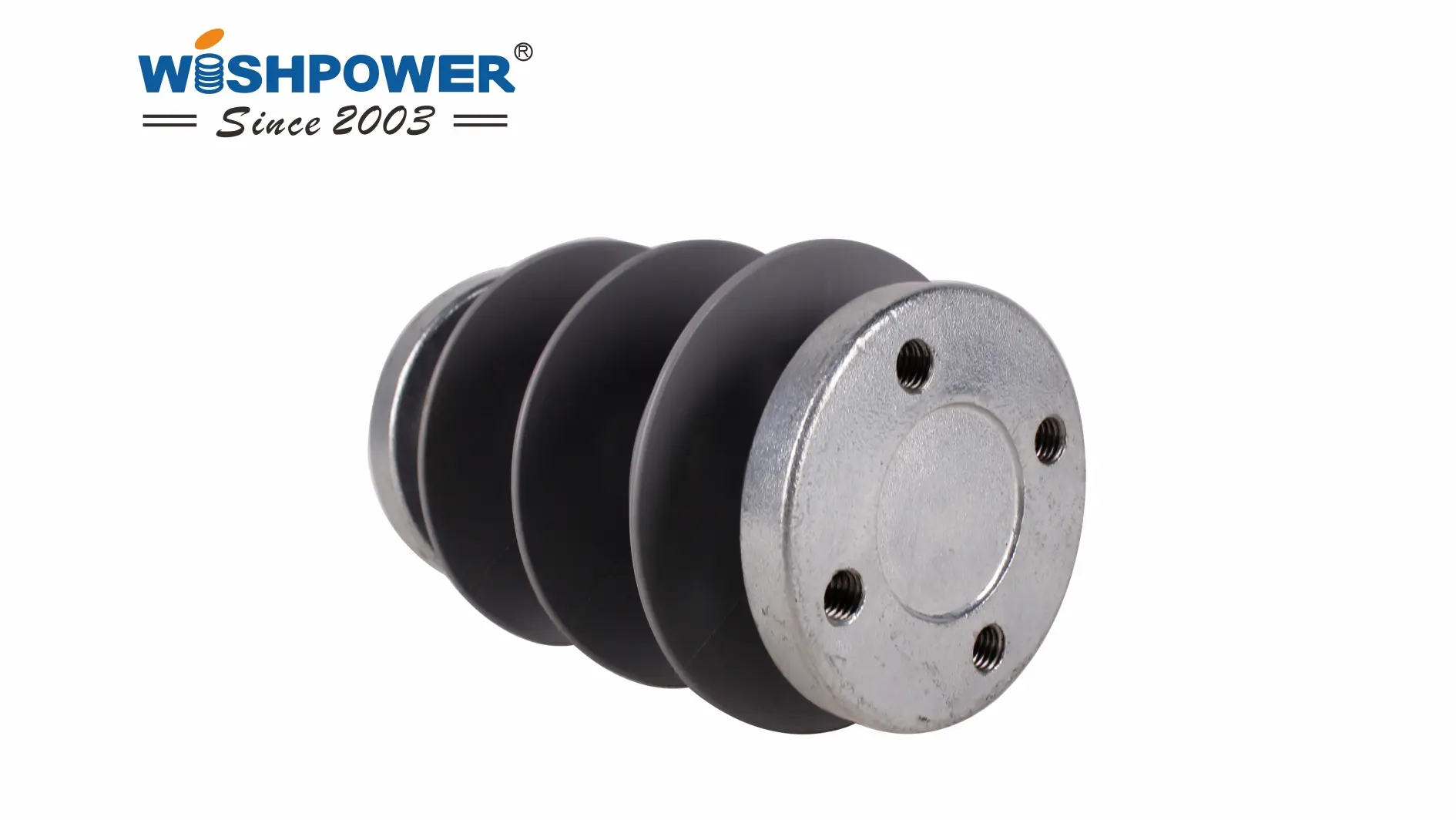
10kV Post Composite Insulator for Power Lines and Substations
Factory: We are a professional manufacturer providing OEM custom production services.
- Product Overview
- Technical Specifications
- Product Structure
- Applications
- Testing Capability
- Packaging & Customization
Product Overview
The Wishpower 10kV post composite insulator is designed to support conductors, fix electrical equipment and provide reliable insulation from grounded structures. Its composite structure combines strong mechanical performance with stable electrical insulation and longIntroduction
A 10kV post composite insulator is an essential insulation and support component used in distribution lines, substations, switchgear and electrical equipment. Compared with traditional porcelain insulators, the Wishpower 10kV post composite insulator is made with a high-strength fiberglass core rod and silicone rubber housing. It offers lightweight construction, excellent pollution flashover resistance, high mechanical strength and easy installation, making it suitable for humid, polluted, coastal and outdoor power system environments.
Key advantages include:
Excellent insulation performance: Silicone rubber housing provides strong hydrophobicity and reduces pollution flashover risk.
High mechanical strength: The fiberglass core rod ensures reliable bending, tensile and support performance.
Lightweight structure: Easier to transport, install and maintain than porcelain insulators.
Strong weather resistance: Suitable for humidity, pollution, salt fog, UV exposure and temperature changes.
Reliable operation: Composite design reduces breakage risk and improves system stability.
Wide application range: Suitable for distribution lines, substations, pole-mounted equipment, busbar supports and high-voltage devices.
Core Features
Designed for 10kV Power Systems
Suitable for 10kV distribution networks, conductor support, equipment fixing and insulation protection.Silicone Rubber Housing with Strong Anti-Pollution Performance
The high-temperature vulcanized silicone rubber housing provides excellent hydrophobicity and pollution resistance.High-Strength Fiberglass Core Rod
The internal core rod offers stable mechanical load capacity against tensile force, bending stress and vibration.Reliable End Fittings
End fittings are commonly made of hot-dip galvanized steel or corrosion-resistant metal to ensure secure connection.Suitable for Indoor and Outdoor Applications
Applicable to substations, cable terminals, pole-mounted switches, busbar systems and distribution equipment.Low Maintenance Cost
The surface is not easy to accumulate pollution, helping reduce inspection and maintenance frequency.
Product Structure
The Wishpower post composite insulator is generally composed of the following parts:
Fiberglass Core Rod
Provides the main mechanical strength, including tensile, bending and support capacity.Silicone Rubber Housing and Sheds
Provides external insulation, weather resistance, anti-aging performance and hydrophobicity.End Fittings
Used for connection with lines, brackets, switchgear or busbar systems. Common materials include hot-dip galvanized steel or corrosion-resistant metal.Sealing System
Prevents moisture, water and contaminants from entering the connection area between the core rod and end fittings.Shed Profile Design
Optimized shed spacing and creepage distance improve insulation performance in polluted and humid environments.

Technical Specifications
| Model | Rated Voltage | Tensile Load | Creepage Distance | Standard |
|---|---|---|---|---|
| FPQ-10 | 10kV | 4-8kN | ≥240mm | IEC / GB |
| FPQ-12 | 12kV | 4-8kN | ≥300mm | IEC / GB |
| FPQ-15 | 15kV | 5-10kN | ≥380mm | IEC / ANSI |
| FPQ-24 | 24kV | 8-12.5kN | ≥600mm | IEC / GB |
| FPQ-33 | 33kV | 10-12.5kN | ≥900mm | IEC / ANSI |
| FPQ-35 | 35kV | 10-16kN | ≥1015mm | IEC / GB |
| FPQ-66 | 66kV | 16-25kN | ≥1810mm | IEC / GB |
| FPQ-110 | 110kV | 25-40kN | ≥3150mm | IEC / GB |
Product Structure
Main Applications
The Wishpower 10kV post composite insulator is suitable for the following industries and applications:
10kV distribution line conductor support
Outdoor pole-mounted switchgear
Substation busbar support systems
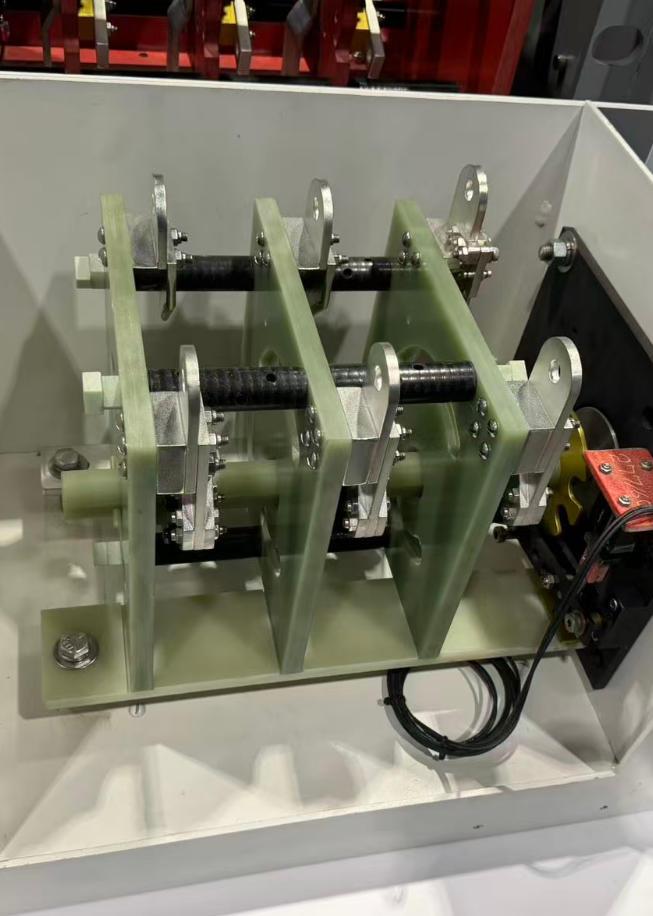
Ring main units, switch cabinets and electrical equipment supports
Cable terminal and overhead line connection areas
Urban distribution networks and rural grid upgrade projects
Industrial parks, mining, railway and renewable energy distribution systems
Polluted, coastal, humid and high-UV environments
Testing Capability
Packaging & Transportation
To keep products safe during transportation and storage, we use the following packaging methods:
- Individual Packaging: Each product is wrapped with protective film, packed in a high-strength carton, and cushioned with buffer materials.
- Pallet Packaging: Multiple products are fixed on wooden pallets and wrapped with stretch film, suitable for container shipping.
- Export Packaging: Fumigated wooden cases, moisture-proof treatment, and detailed packing lists are provided according to sea freight requirements.
Customization Service
WishPower can provide the following customization options according to customer requirements:
- Structural Dimensions: Adjust overall height, creepage distance, shed quantity, and shed diameter.
- End Fittings: Customize ball-socket, tongue-clevis, eye, or other interface types according to connection requirements.
- Color: Standard gray, with red, yellow, blue, and other colors available subject to MOQ.
- Special Environments: Formulations for extreme cold (-60 C), strong UV exposure, heavy pollution, and other harsh conditions.
- Voltage Classes: Full-range customization from 10kV to 1000kV.
- Marking: Customer logos or model numbers can be molded or printed on the product.
For specific customization requirements, please contact our sales engineers. We will provide a technical solution within 24 hours.
FAQ
Q: Windproof Insulators VS Wind Deflection Insulators
A: Windproof Insulators vs. Wind Deflection Insulators in Power TransmissionIn power transmission, selecting the right insulator is crucial, especially in regions with challenging wind conditions. Although Windproof Insulators and Wind Deflection Insulators may seem similar, they serve different purposes in managing the effects of wind on power lines.What Are Windproof Insulators?Windproof Insulators are designed to resist the force exerted by wind on power line structures, helping ensure stable and reliable line operation in high-wind environments.Design and FunctionalityThese insulators usually feature a streamlined design that reduces wind resistance and minimizes the surface area exposed to wind. Made from materials with high tensile strength, Windproof Insulators are built to withstand the mechanical stress caused by conductor weight and additional wind loads. Their primary function is to maintain electrical clearance and help prevent flashover, even under significant wind pressure.ApplicationsWindproof Insulators are ideal for regions with consistently strong winds, such as coastal areas, open plains, and exposed transmission corridors. In these environments, power lines are constantly affected by wind pressure, and Windproof Insulators help improve the stability and reliability of the transmission system.What Are Wind Deflection Insulators?Wind Deflection Insulators are designed to redirect or control wind-related forces, reducing conductor movement and helping prevent problems such as galloping, swinging, or excessive vibration.Design and FunctionalityThese insulators often use an aerodynamic structure and may work together with components such as dampers to control conductor oscillation. Their main purpose is to prevent conductors from being displaced beyond a safe range by wind, where they may come into contact with other structures, fittings, or conductors, potentially causing mechanical damage or electrical flashover.ApplicationsWind Deflection Insulators are most effective in areas where wind velocity and direction change frequently. They help reduce conductor vibration and movement, improving conductor stability and supporting the long-term reliability of the transmission system.Key Differences Between Windproof Insulators and Wind Deflection InsulatorsObjective: Windproof Insulators focus on resisting direct wind forces, while Wind Deflection Insulators are designed to manage, redirect, and control wind-induced conductor movement.Design Focus: Windproof Insulators prioritize mechanical strength and wind resistance, while Wind Deflection Insulators emphasize aerodynamic performance and conductor stability.Ideal Conditions: Windproof Insulators are suitable for areas with consistent, strong winds, while Wind Deflection Insulators are more effective in regions with variable, gusty, or turbulent wind conditions.How to Choose Between Windproof Insulators and Wind Deflection InsulatorsChoosing between Windproof Insulators and Wind Deflection Insulators depends on the wind conditions at the installation site. Windproof Insulators provide strong resistance against direct wind loads, making them suitable for consistently windy environments. Wind Deflection Insulators, on the other hand, are designed to manage conductor movement caused by variable wind speed and direction, helping improve the durability and safety of power transmission structures.Understanding the difference between Windproof Insulators and Wind Deflection Insulators helps engineers and utilities select the right solution for specific operating environments. By choosing the appropriate insulator type according to local wind conditions, power transmission systems can achieve better stability, improved safety, and higher long-term reliability.
Q: What is the difference between composite and polymer insulators?
A: Composite Insulators vs. Polymer Insulators: What Is the Difference?Composite insulators and polymer insulators are widely used in modern power transmission and distribution systems. They provide electrical insulation, support conductors, and help prevent power lines from sagging or failing. Although the terms “composite insulator” and “polymer insulator” are sometimes used interchangeably, they can differ in material structure, mechanical performance, environmental resistance, and application areas.What Is a Composite Insulator?A composite insulator is usually made from several different materials combined into one structure. It typically consists of a fiberglass reinforced rod, a polymer housing, and metal end fittings.The fiberglass rod, often made from fiber-reinforced epoxy, acts as the main load-bearing core. It provides tensile strength, bending strength, and mechanical stability for high-voltage and high-load applications.The outer housing is usually made of silicone rubber or EPDM. This polymer layer protects the internal core from moisture, pollution, ultraviolet radiation, and other environmental factors. The metal end fittings, commonly made of galvanized steel or aluminum, are attached to both ends of the insulator and provide the mechanical connection to the conductor, tower, or other supporting structure.What Is a Polymer Insulator?Polymer insulators, also known as synthetic insulators or non-ceramic insulators, are made from polymer materials such as silicone rubber, EPDM, or other polymer blends.In many cases, polymer insulators are designed as lightweight insulating products that provide electrical insulation and mechanical support for conductors, similar to traditional porcelain or glass insulators. Compared with ceramic insulators, they are usually lighter, easier to install, and more resistant to contamination.However, in practical industry usage, the term “polymer insulator” is often used broadly and may also refer to composite insulators with a polymer housing. Therefore, the exact meaning should be understood according to the product structure and application context.Composite Insulators vs. Polymer Insulators1. Material CompositionComposite insulators are made from multiple materials, usually including a fiberglass core, polymer housing, and metal end fittings. This layered structure gives them both mechanical strength and environmental protection.Polymer insulators are generally described as insulators made mainly from polymer materials such as silicone rubber or EPDM. Some polymer insulators may not have the same reinforced composite structure with a central fiberglass core, depending on the design and application.2. Mechanical StrengthComposite insulators usually have higher mechanical strength because of their fiberglass reinforced core. This core provides excellent tensile strength, bending strength, and resistance to mechanical stress.Because of this structure, composite insulators are widely used in high-voltage transmission lines and other applications where strong mechanical performance is required.Polymer insulators are usually lighter and easier to handle, but their mechanical strength depends on the material and structural design. They are often more suitable for medium-voltage and low-voltage applications where mechanical load requirements are lower.3. Hydrophobic PropertiesBoth composite insulators and polymer insulators can have good hydrophobic properties, especially when silicone rubber is used as the outer material.Composite insulators with silicone rubber housings usually provide excellent water-repellent performance. This helps prevent the formation of continuous water films on the surface, reducing leakage current and lowering the risk of flashover.Polymer insulators can also be hydrophobic, but the actual performance depends on the polymer material used, such as silicone rubber, EPDM, or other polymer blends.4. Environmental ResistanceBoth composite and polymer insulators are designed to resist environmental factors such as ultraviolet radiation, pollution, moisture, temperature changes, and chemical contamination.Composite insulators usually offer strong long-term environmental resistance because their polymer housing protects the fiberglass core from external damage. This makes them suitable for harsh environments such as coastal areas, industrial zones, deserts, and high-pollution regions.Polymer insulators are also resistant to many environmental factors, but their performance depends on the material quality, formulation, and operating conditions. In some severe environments, lower-grade polymer materials may experience aging, erosion, or surface degradation over time.5. ApplicationsComposite insulators are commonly used in high-voltage transmission lines, substations, railway electrification systems, and HVDC transmission projects. They are especially suitable for coastal regions, polluted industrial areas, mountainous areas, and locations with high mechanical stress.Polymer insulators are often used in medium-voltage distribution systems, overhead distribution lines, distribution transformers, switchgear, street lighting systems, and telecommunication lines. They are suitable for applications where lightweight design, easy installation, and moderate mechanical performance are required.What Is the Difference Between Composite and Polymer Insulators?The main difference is in structure and mechanical performance. Composite insulators usually have a fiberglass reinforced core, a polymer housing, and metal end fittings, making them suitable for high-voltage and high-mechanical-load applications.Polymer insulators are generally lighter, easier to install, and more cost-effective, especially for medium-voltage and low-voltage systems where the required mechanical strength is lower.Composite insulators and polymer insulators both play important roles in modern power systems. Composite insulators are preferred for high-voltage transmission lines and harsh environments because of their strong mechanical strength, layered structure, and excellent environmental resistance. Polymer insulators are suitable for many distribution and lower-voltage applications because they are lightweight, easy to handle, and cost-effective.Understanding the difference between composite insulators and polymer insulators helps engineers, utilities, and project buyers choose the right insulator type according to voltage level, mechanical load, environmental conditions, installation requirements, and long-term operating cost.
Q: What Is a Polymer Insulator? Structure, Benefits and Applications
A: What Is a Polymer Insulator?A polymer insulator is an electrical insulator widely used in high-voltage power transmission and distribution systems. Compared with traditional porcelain or glass insulators, polymer insulators are lighter, easier to install, and more resistant to pollution and harsh environmental conditions.In modern power systems, polymer insulators are commonly used on transmission lines, distribution networks, substations, and railway electrification systems. Their reliable electrical performance, strong mechanical strength, and low maintenance requirements make them an important insulation solution for modern power infrastructure.Structure and Composition of Polymer InsulatorsA polymer insulator is usually composed of three main parts: an FRP core, a polymer housing, and metal end fittings.1. FRP CoreThe FRP core, also known as the fiberglass reinforced plastic core, is the main load-bearing part of the polymer insulator. It provides the mechanical strength required to withstand tensile forces, conductor loads, wind loads, and other mechanical stresses in power lines.The FRP core is lightweight but strong, allowing the insulator to support conductors without bending, breaking, or losing mechanical stability under normal operating conditions.2. Polymer HousingThe outer housing of a polymer insulator is usually made of silicone rubber, EPDM, or other polymer materials. This housing protects the FRP core from moisture, ultraviolet radiation, dust, pollution, salt fog, and other environmental factors.Silicone rubber housing is especially valued for its hydrophobic surface. This water-repellent property helps prevent the formation of continuous conductive water films on the insulator surface, reducing leakage current and lowering the risk of flashover in wet or polluted environments.3. Metal End FittingsMetal end fittings are installed at both ends of the FRP core. They are usually crimped or bonded to the core to provide a secure mechanical connection between the insulator and the power line, tower, substation equipment, or other electrical structures.The quality of the end fittings and the sealing design are important for long-term reliability, especially in high-voltage and outdoor applications.Advantages of Polymer Insulators1. Lightweight DesignOne of the main advantages of polymer insulators is their lightweight structure. Compared with porcelain or glass insulators, polymer insulators are much lighter, which makes transportation, handling, and installation easier.This is especially useful for remote areas, mountainous regions, long-distance transmission lines, and projects where installation efficiency is important.2. Strong Pollution ResistancePolymer insulators perform well in polluted environments such as industrial areas, coastal regions, deserts, and high-humidity zones.Traditional porcelain and glass insulators may accumulate dirt, salt, dust, and industrial pollutants on the surface, increasing the risk of flashover. Polymer insulators, especially silicone rubber types, have hydrophobic properties that help repel water and reduce pollution-related electrical problems.3. Good Durability in Harsh EnvironmentsPolymer insulators are designed to resist ultraviolet radiation, ozone, moisture, chemicals, temperature changes, and environmental pollution.This makes them suitable for different climate conditions and outdoor applications. Their resistance to environmental degradation helps extend service life and reduce maintenance frequency.4. Reliable Performance in High-Voltage ApplicationsBecause of their strong mechanical structure and excellent electrical insulation performance, polymer insulators are suitable for high-voltage transmission lines, substations, and distribution systems.They help maintain electrical clearance, support conductors, and reduce the risk of power system faults caused by insulation failure.5. Reduced Risk of BreakageUnlike porcelain or glass insulators, polymer insulators are less likely to shatter under mechanical impact. This reduces the risk of broken fragments, improves safety during transportation and installation, and lowers replacement costs caused by accidental damage.Applications of Polymer Insulators1. High-Voltage Transmission LinesPolymer insulators are widely used in high-voltage transmission lines to provide insulation between conductors and transmission towers.Their lightweight design and strong environmental resistance make them suitable for long-distance power transmission, especially in areas with high pollution, strong wind, salt fog, or difficult terrain.2. Distribution NetworksIn urban and rural distribution networks, polymer insulators are used to support and insulate overhead conductors on poles and towers.They are suitable for areas where easy installation, low maintenance, and reliable pollution performance are required.3. SubstationsPolymer insulators are used in substations to insulate high-voltage equipment such as transformers, circuit breakers, busbars, disconnectors, and other electrical components.Their compact structure and reliable electrical performance make them suitable for modern substations with limited installation space and high reliability requirements.4. Railway Electrification SystemsIn railway electrification systems, polymer insulators are used to insulate overhead contact lines and supporting structures.Because railway systems are exposed to outdoor weather, vibration, pollution, and temperature changes, polymer insulators provide a durable and reliable insulation solution.Why Are Polymer Insulators Important in Modern Power Systems?Polymer insulators represent an important development in electrical insulation technology. Compared with traditional porcelain and glass insulators, they offer advantages in weight, installation efficiency, pollution resistance, environmental durability, and safety.As power systems continue to require higher reliability, lower maintenance costs, and better performance in harsh environments, polymer insulators are becoming more widely used in transmission, distribution, substation, and railway applications.A polymer insulator is a modern electrical insulation product made with an FRP core, polymer housing, and metal end fittings. It provides mechanical support and electrical insulation for power transmission and distribution systems.With advantages such as lightweight design, strong pollution resistance, good environmental durability, reliable high-voltage performance, and reduced breakage risk, polymer insulators are widely used in modern power infrastructure.For transmission lines, substations, distribution networks, and railway electrification systems, polymer insulators offer a practical and cost-effective solution for improving power system reliability and long-term performance.
Q: What Are the Disadvantages of Composite Insulators?
A: Composite insulators are widely used in modern power transmission and distribution systems because of their lightweight structure, high mechanical strength, good pollution resistance, and excellent hydrophobic performance. Compared with traditional porcelain and glass insulators, composite insulators offer many advantages, especially in coastal areas, polluted regions, high-voltage lines, and difficult installation environments.However, composite insulators also have some disadvantages. Understanding these limitations is important for engineers, utilities, project contractors, and buyers when selecting the right insulator for power systems.1. Aging of Polymer MaterialsOne of the main disadvantages of composite insulators is the aging of polymer materials. The outer housing of a composite insulator is usually made of silicone rubber or EPDM. These materials are exposed to ultraviolet radiation, rain, temperature changes, pollution, salt fog, and electrical stress for many years.Over time, the polymer surface may experience aging, hardening, cracking, chalking, erosion, or loss of hydrophobicity. Once the outer housing deteriorates, the insulation performance of the composite insulator may be affected.Although high-quality silicone rubber can provide long service life, poor material quality or harsh operating conditions may accelerate aging.2. Risk of Interface DefectsComposite insulators are made from different materials, including a fiberglass core, polymer housing, and metal end fittings. Because of this multi-material structure, the interfaces between different parts are very important.If the bonding between the fiberglass core and polymer housing is not reliable, moisture may enter the internal structure. This can lead to internal discharge, tracking, corrosion of the core, or even mechanical failure.Interface defects are not always easy to detect during routine inspection, which makes quality control during manufacturing especially important.3. Possible Brittle Fracture of the CoreThe fiberglass reinforced core provides the main mechanical strength of a composite insulator. However, under certain severe conditions, the core may suffer from brittle fracture.Brittle fracture can be caused by long-term mechanical stress, moisture penetration, chemical corrosion, acid attack, or poor end fitting sealing. This type of failure may occur suddenly and can create serious risks for transmission line operation.Although this problem is not common in high-quality composite insulators, it remains one of the key technical concerns in the power industry.4. More Difficult Visual InspectionPorcelain and glass insulators often show obvious visible signs when they are damaged, such as cracks, broken pieces, or shattered discs. Composite insulators, however, may have hidden internal defects that are not easy to identify from the outside.For example, internal core damage, interface moisture penetration, or bonding defects may not be visible during simple visual inspection. This makes condition assessment more challenging and may require professional inspection methods such as infrared detection, ultrasonic testing, electric field measurement, or hydrophobicity testing.5. Sensitivity to Manufacturing QualityThe performance of composite insulators depends heavily on manufacturing quality. Material selection, silicone rubber formulation, fiberglass core quality, crimping process, sealing design, and bonding technology all affect long-term reliability.Low-quality composite insulators may suffer from poor aging resistance, weak sealing, reduced mechanical strength, or early surface degradation. For this reason, buyers should choose reliable manufacturers with strict quality control and proven production experience.6. Limited Long-Term Operating Experience Compared with PorcelainPorcelain insulators have been used in power systems for more than a century, and their long-term performance is well understood. Composite insulators are newer compared with porcelain and glass insulators.Although composite insulators have been widely adopted and have shown strong performance, some utilities may still be cautious in extremely high-voltage or critical applications because long-term aging behavior depends on material quality and service environment.This does not mean composite insulators are unreliable, but it does mean that product selection, testing, and supplier evaluation are very important.7. Surface Erosion and Tracking RiskComposite insulators are usually designed with excellent resistance to tracking and erosion. However, in heavily polluted areas, coastal regions, desert environments, or places with strong electrical stress, the surface may still suffer from erosion or tracking over time.If the surface damage becomes serious, it may reduce creepage distance, weaken insulation performance, and increase the risk of flashover. Proper shed design, high-quality silicone rubber, and regular inspection can help reduce this risk.8. Higher Initial Cost in Some ApplicationsComposite insulators are often cost-effective over their full lifecycle because they are lightweight, easy to install, and require less maintenance. However, their initial purchase cost may be higher than some traditional porcelain insulators, especially when high-performance materials and advanced manufacturing processes are required.For projects with very limited budgets, the initial price difference may become an important factor. However, lifecycle cost should be considered together with installation, maintenance, transportation, and outage costs.9. Vulnerability to Mechanical Damage During HandlingAlthough composite insulators are lightweight and strong, improper handling during transportation, storage, or installation may damage the silicone rubber housing or end fitting sealing area.Cuts, scratches, punctures, or improper lifting methods may affect the protective housing and reduce long-term reliability. Therefore, composite insulators should be handled carefully according to installation and transportation guidelines.10. Special Requirements for Testing and MaintenanceComposite insulators usually require less routine cleaning than porcelain insulators, but their condition assessment may require more specialized testing methods.Utilities may need to evaluate hydrophobicity, surface aging, erosion, leakage current, temperature abnormalities, and internal defects. This requires trained personnel and suitable inspection equipment.For large power networks, establishing proper inspection standards for composite insulators is important for safe operation.How to Reduce the Disadvantages of Composite InsulatorsMany disadvantages of composite insulators can be reduced through proper product selection, quality control, installation, and maintenance.Choose composite insulators from reliable manufacturers with proven experience.Use high-quality silicone rubber with strong aging, tracking, and erosion resistance.Ensure excellent sealing between the housing, core, and end fittings.Select the correct creepage distance according to pollution level and operating environment.Avoid mechanical damage during transportation, storage, and installation.Carry out regular inspection in harsh environments.Use proper testing methods for aging, hydrophobicity, and internal defects.ConclusionComposite insulators offer many advantages, including lightweight design, strong mechanical performance, excellent pollution resistance, good hydrophobic properties, and lower maintenance requirements. However, they also have disadvantages such as polymer aging, interface defects, possible core fracture, difficult inspection, manufacturing quality sensitivity, and surface erosion risk.The disadvantages of composite insulators do not mean they are unsuitable for power systems. Instead, they show the importance of choosing high-quality products, using proper installation methods, and applying regular inspection standards.For transmission lines, substations, railway electrification systems, and harsh operating environments, composite insulators remain an important and effective insulation solution when properly selected and maintained.
Q: What Is a Composite Hollow Insulator? Structure, Benefits and Applications
A: What Is a Composite Hollow Insulator?A composite hollow insulator is an electrical insulating component used in high-voltage power equipment. It is designed with a hollow internal structure and is commonly used as the external insulation and mechanical support for equipment such as transformers, surge arresters, circuit breakers, instrument transformers, bushings, and GIS equipment.Compared with traditional porcelain hollow insulators, composite hollow insulators are lighter, safer, more resistant to pollution, and better suited for harsh outdoor environments. Because of these advantages, they are increasingly used in modern substations and high-voltage power systems.Structure of a Composite Hollow InsulatorA composite hollow insulator is usually made of three main parts: an FRP tube, silicone rubber housing, and end fittings.1. FRP Hollow TubeThe FRP hollow tube is the main mechanical support structure of the composite hollow insulator. FRP means fiberglass reinforced plastic. This tube provides high mechanical strength, pressure resistance, bending resistance, and structural stability.Because the tube is hollow, it can be used as an insulating enclosure for internal components or as part of high-voltage equipment that requires an insulated passage or chamber.2. Silicone Rubber HousingThe outer housing is usually made of silicone rubber. It protects the FRP tube from ultraviolet radiation, moisture, pollution, salt fog, chemical contamination, and other environmental factors.Silicone rubber also has excellent hydrophobic properties. This means the surface can repel water and prevent the formation of continuous conductive water films. As a result, composite hollow insulators can reduce leakage current and lower the risk of flashover in wet, coastal, or polluted environments.3. End FittingsMetal end fittings are installed at both ends of the composite hollow insulator. They provide mechanical connection, sealing, and installation support for the equipment.The quality of the end fittings and sealing structure is very important. Good sealing helps prevent moisture from entering the internal structure and ensures long-term electrical and mechanical reliability.Main Advantages of Composite Hollow Insulators1. Lightweight DesignComposite hollow insulators are much lighter than porcelain hollow insulators. Their lightweight structure makes transportation, handling, and installation easier.This is especially useful for large high-voltage equipment, substations, remote project sites, and installation environments where lifting capacity is limited.2. High Safety PerformancePorcelain hollow insulators may break or shatter under strong mechanical impact, internal pressure, earthquake stress, or transportation damage. Broken porcelain fragments can create safety risks for workers and nearby equipment.Composite hollow insulators do not shatter like porcelain. Their non-brittle structure improves safety and reduces the risk of explosive failure.3. Excellent Pollution ResistanceThe silicone rubber surface of composite hollow insulators provides strong pollution resistance. In coastal areas, industrial zones, deserts, and high-humidity environments, pollution and moisture can increase the risk of flashover.Because silicone rubber has hydrophobic properties, composite hollow insulators can maintain better insulation performance under polluted and wet conditions.4. Strong Mechanical PerformanceThe FRP hollow tube provides excellent mechanical strength and structural stability. Composite hollow insulators can withstand bending loads, internal pressure, external mechanical stress, and environmental forces such as wind and seismic vibration.This makes them suitable for high-voltage equipment that requires both electrical insulation and mechanical support.5. Better Seismic PerformanceComposite hollow insulators have better flexibility and impact resistance than porcelain hollow insulators. In earthquake-prone areas, their lighter weight and non-brittle structure help reduce the risk of equipment damage.For substations located in seismic zones, composite hollow insulators are often a safer and more reliable option.6. Lower Maintenance RequirementsBecause of their hydrophobic surface and strong environmental resistance, composite hollow insulators usually require less cleaning and maintenance than porcelain insulators.This can reduce maintenance costs, inspection frequency, and outage risks over the service life of the equipment.7. Suitable for Harsh Outdoor EnvironmentsComposite hollow insulators are suitable for coastal regions, polluted industrial areas, high-altitude areas, deserts, high-humidity zones, and other demanding environments.Their resistance to UV radiation, moisture, salt fog, pollution, and temperature changes helps ensure stable long-term performance.Applications of Composite Hollow InsulatorsComposite hollow insulators are widely used in different types of high-voltage electrical equipment.1. Surge ArrestersComposite hollow insulators are commonly used as external insulating housings for high-voltage surge arresters. They provide insulation, mechanical protection, and environmental resistance.2. Transformer BushingsIn transformer bushings, composite hollow insulators provide an insulated passage for conductors to pass through grounded transformer tanks or enclosures.3. Circuit BreakersComposite hollow insulators are used in high-voltage circuit breakers to provide insulation and support for internal and external components.4. Instrument TransformersCurrent transformers and voltage transformers can use composite hollow insulators as insulating housings to ensure safe and stable operation.5. GIS and Substation EquipmentComposite hollow insulators are used in GIS equipment, cable terminations, wall bushings, and other substation applications where high-voltage insulation and compact design are required.Composite Hollow Insulator vs. Porcelain Hollow InsulatorThe main difference between composite hollow insulators and porcelain hollow insulators lies in their material and safety performance.Porcelain hollow insulators have good insulation performance and long operating history, but they are heavy and brittle. They may crack or shatter under mechanical impact, transportation stress, seismic force, or internal failure.Composite hollow insulators are lighter, safer, and more resistant to pollution. They do not shatter like porcelain and can provide better performance in harsh environments. This makes them increasingly popular in modern high-voltage power equipment.Why Are Composite Hollow Insulators Important?Composite hollow insulators play an important role in improving the safety, reliability, and efficiency of modern power systems. As substations and high-voltage equipment operate under more demanding environmental and mechanical conditions, insulation components must provide not only electrical performance but also mechanical strength, environmental resistance, and long-term safety.Composite hollow insulators meet these requirements by combining an FRP hollow tube, silicone rubber housing, and reliable end fittings into one integrated structure.ConclusionA composite hollow insulator is a high-voltage insulating component with a hollow FRP tube, silicone rubber housing, and metal end fittings. It is widely used in surge arresters, transformer bushings, circuit breakers, instrument transformers, GIS equipment, and substations.Compared with porcelain hollow insulators, composite hollow insulators offer lightweight design, improved safety, excellent pollution resistance, strong mechanical performance, better seismic resistance, and lower maintenance requirements.For modern power transmission, distribution, and substation equipment, composite hollow insulators provide a reliable and cost-effective insulation solution, especially in harsh outdoor environments and high-voltage applications.
Featured Videos
Factory Video
 Factory Video